
Found Cats
How to Help a Stray Cat Safely
By The Freyas Cat Rescue team · · 8 min read
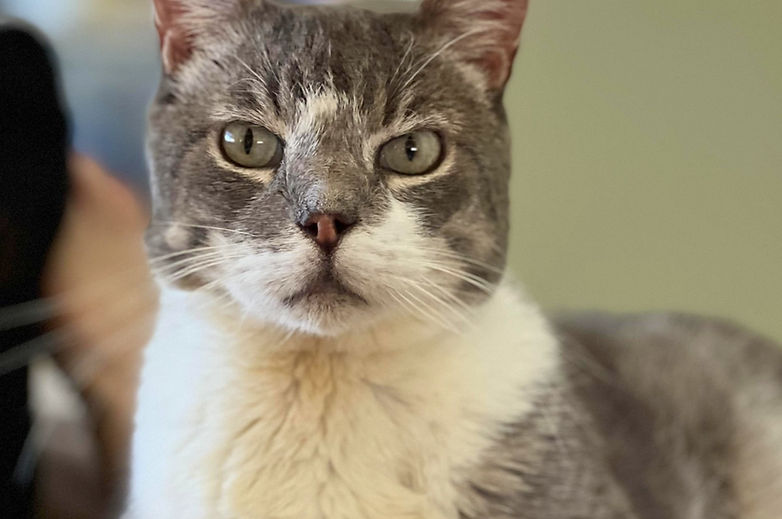
Finding a cat who seems to need help produces an immediate urge to do something. Slowing down for ten minutes usually produces a better outcome — for the cat and for you.
This article covers assessing the situation, protecting yourself, checking for an owner, and knowing when a situation needs professional help immediately.
First, assess from a distance
Look before you approach. Is the cat moving normally? Is there visible injury, laboured breathing, or discharge from eyes or nose? Is the cat well-fed and groomed, or thin and unkempt? Is it approaching you, or watching warily from a distance?
A well-groomed cat who approaches confidently is most likely someone's pet, quite possibly living within a short distance. A cat who keeps distance and shows no interest in people may be feral, in which case the right response is usually a community-cat approach rather than an attempted rescue.
Safety comes first
A frightened or injured cat can inflict serious bites and scratches, and cat bites in particular carry a meaningful risk of infection. This is not a reason to avoid helping; it is a reason to be deliberate.
- Do not corner a cat or reach into a hiding space
- Use a carrier or a humane trap rather than trying to carry a frightened cat in your arms
- Wear thick gloves and long sleeves if you must handle the cat
- Never attempt to handle a cat showing signs of severe distress or aggression — call for professional help
- Seek medical attention promptly for any bite or deep scratch
- Keep a found cat completely separate from your own pets until a veterinarian has examined it
Check for an owner before assuming abandonment
A large share of cats reported as strays are owned and simply outdoors. Before treating a cat as homeless, do the checks.
- Look for a collar, tag or any sign of previous care
- Ask nearby neighbors — a photo on a phone often resolves it in minutes
- Post a clear photo in local lost-and-found pet groups and community pages
- Have the cat scanned for a microchip at a veterinary clinic, shelter or animal control office; scanning is typically free
- Contact local shelters and animal control to check for matching lost reports
- Put a paper collar or note on the cat if it seems healthy and local, asking the owner to contact you
When to act immediately
Some situations do not allow for a waiting period. Contact a licensed veterinarian, an emergency animal hospital, or your local animal control or animal welfare authority right away if the cat appears seriously injured, is bleeding, cannot stand or walk normally, is struggling to breathe, is unresponsive, or is in immediate physical danger such as on a road.
Freyas Cat Rescue is not an emergency service and does not provide veterinary treatment. In an emergency, professional help is what the cat needs, and it needs it faster than any rescue can arrange.
If you find kittens
Kittens found outdoors are usually not abandoned. The mother is often nearby, hunting or moving the litter one at a time. Removing kittens from a mother who is coming back is actively harmful — she is far better at raising them than any human substitute.
Watch from a genuine distance for several hours. If the kittens are clean, quiet and appear well, the mother is very likely returning. Intervene sooner only if they are in immediate danger, visibly ill, cold, or continuously crying. Neonatal kittens without a mother need specialized round-the-clock care — contact a veterinarian or an experienced rescue promptly.
If nobody claims the cat
Have the cat examined by a veterinarian before any longer-term decisions, both for the cat's health and to protect any animals already in your home. Keep the cat isolated in the meantime.
Then think honestly about the options: keeping the cat yourself, helping to find an appropriate home directly, or contacting rescues to ask about capacity. Rescues frequently cannot take a cat immediately, and knowing that early lets you plan rather than be stranded.
If you are in or around McKee, you are welcome to contact us and describe the situation. We will tell you honestly whether we can help and, if not, what other options may exist.
Related reading
- Understanding Community Cats
Not every cat outdoors is lost, and not every cat outdoors is feral. Telling the difference is the first step toward a humane response.
- A Beginner's Guide to TNR
TNR is the most widely used humane approach to outdoor cat populations. Here is what the process involves — and when it is not the right answer.
- Kitten Care Basics
Kittens are not small cats. They have different nutritional needs, a narrow socialization window and far less margin for error when something goes wrong.