
Community Cats
A Beginner's Guide to TNR
By The Freyas Cat Rescue team · · 9 min read
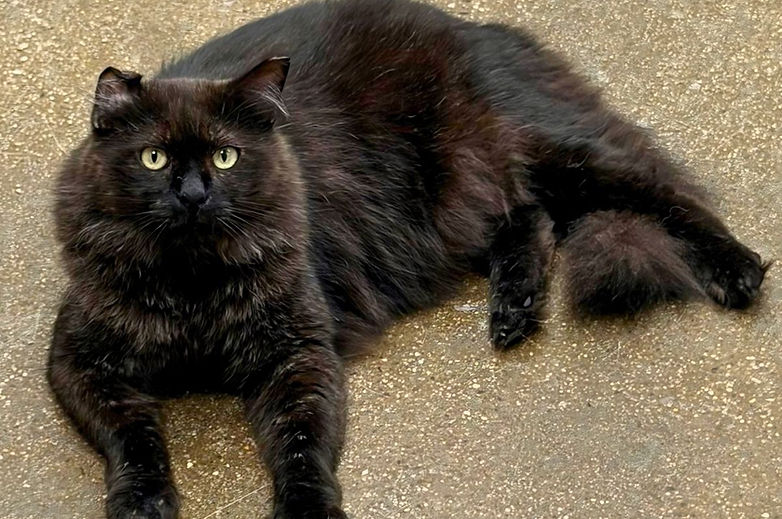
Trap-Neuter-Return is a structured approach to unowned outdoor cats: trap humanely, have a veterinarian sterilize and vaccinate, ear-tip for identification, and return the cat to its established territory.
This is an educational overview, not a substitute for hands-on training or veterinary advice. If you are considering TNR for the first time, contact qualified local animal-welfare professionals before setting a trap.
Why return, rather than remove?
The instinct is often to take cats away. In practice, removal tends to be temporary: the resources that supported cats at that location remain, and new unsterilized cats move in. The population resets, and the cycle continues.
Sterilizing and returning breaks reproduction while leaving the territory occupied by cats who can no longer add to the population. Over years, the group shrinks through natural attrition rather than through repeated removal.
Before you trap: observe and plan
Spend time watching the location first. How many cats are there? Are any already ear-tipped? Are there kittens, or a visibly pregnant or nursing female? Is anyone else feeding them?
Then arrange the veterinary appointment before trapping. This is the step beginners most often get backwards. A trapped cat should not sit in a trap for days while you look for an available clinic. Book first, trap second.
- Confirm a veterinary appointment and drop-off requirements in advance
- Identify a safe, temperature-controlled holding space for before and after surgery
- Establish a predictable feeding schedule at the trap site for several days beforehand
- Withhold food, but not water, for roughly 24 hours before trapping so cats are motivated
- Talk to neighbors so nobody is alarmed by traps appearing
Trapping day
Humane box traps are the standard tool. Line the trap floor with newspaper, bait with something strongly scented at the far end, and set the trap on level ground where it cannot tip. Never leave a set trap unattended — monitor from a distance where you will not deter approaches.
The moment a cat is trapped, cover the trap completely with a large towel or sheet. Covering dramatically reduces panic, and a calm cat is safer for everyone. Do not open the trap. Do not attempt to handle the cat. Transport in the covered trap.
At the clinic and afterwards
The veterinarian performs sterilization, typically administers vaccinations, and ear-tips the cat — a small, straight-across removal of the tip of the left ear, done under anesthesia. The ear tip is a permanent, visible signal that this cat has already been through the process, which prevents unnecessary re-trapping later.
Recovery happens in the covered trap in a quiet, temperature-controlled indoor space. Follow the clinic's specific guidance on how long to hold the cat: commonly around 24 hours for males and longer for females, but the veterinarian's instructions take precedence over any general rule.
Release at the exact location where the cat was trapped, during daylight, by opening the trap and stepping back. Most cats leave immediately. Keep feeding on the established schedule so they can resettle.
When TNR is not the right answer
TNR fits stable colonies of unsocialized adult cats in a location where they can safely remain. Several common situations call for something different.
- Kittens young enough to be socialized usually have better options than return
- Friendly strays may be someone's lost pet, or may be adoptable
- Sick or injured cats need veterinary assessment before any plan is made
- Pregnant or nursing cats require specific veterinary guidance
- Locations that are unsafe or about to change use need relocation planning by experienced people
Getting help
TNR is learnable, but it is much easier alongside someone who has done it. Look for local or regional animal-welfare organizations, low-cost spay/neuter clinics, and experienced trappers who can lend equipment and guidance.
If you are in or near McKee and want to talk through a community cat situation, contact us. We cannot promise direct assistance in every case, but we can help you think it through and point you toward appropriate resources.
Related reading
- Understanding Community Cats
Not every cat outdoors is lost, and not every cat outdoors is feral. Telling the difference is the first step toward a humane response.
- How to Help a Stray Cat Safely
Helping a cat you find outdoors starts with a pause: is this cat actually lost, and is approaching safe for both of you?
- Responsible Pet Ownership
Responsible ownership is not a set of rules handed down by rescues. It is a small number of decisions that keep cats out of rescue in the first place.