
FREYAS CAT RESCUEMcKee, Kentucky

Rescue stories

The kinds of situations we work with

These are composite, illustrative accounts drawn from the situations that recur in rural cat rescue. They are written to show the process and the reasoning, not to describe named individuals.

The stories below are illustrative composites. We do not publish identifying details about the people or animals involved in real cases.
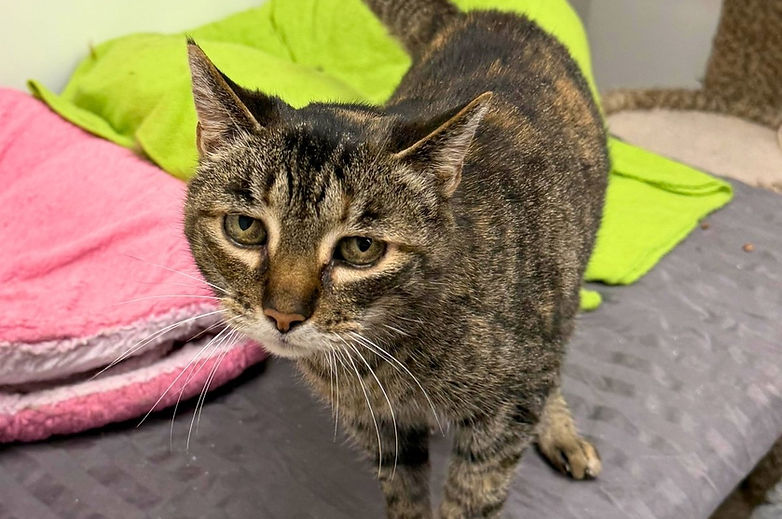
A tabby community cat resting near a wooden outbuilding

The cat behind the feed store

A caller described a cat who had been living behind a rural business for at least a year, appearing at dusk, never approaching anyone. Several people had been leaving food. Nobody was sure whether she was someone's cat.

The right answer here was not removal. An adult cat who has lived outdoors for a year and avoids people is not a candidate for a living room, and taking her away would simply have made space for an unsterilized cat to move in.

The path forward is the unglamorous one: sterilization, vaccination, an ear tip, and return to the place she already knows, with the people already feeding her kept informed. The population stops growing, the yowling and fighting stop, and the cat keeps the territory she chose.
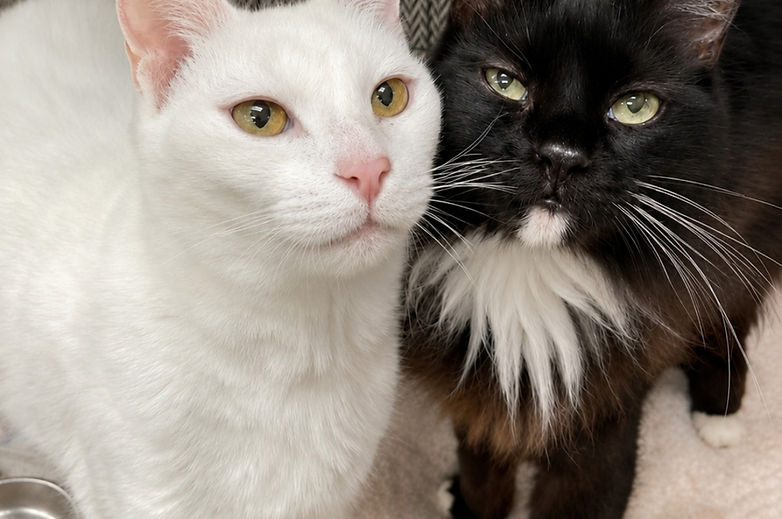
Young kittens playing together on a soft rug

A litter nobody planned

One of the most common calls a rural rescue receives is a household with an unexpected litter. Usually there is no cruelty involved — a family cat was never sterilized, went outside, and the arithmetic did the rest.

These situations move fast. Kittens need a socialization window that closes within weeks, which means placement into foster homes matters urgently. They also need veterinary attention for parasites, which are near-universal in kittens born outdoors.

The part that matters most for the long term is the conversation about the mother cat. Sterilizing her prevents the next litter, and the one after that. A single well-timed surgery does more than any number of kitten placements.

A senior orange cat sleeping on a cushion in the sun

The senior cat whose person went into care

Not every cat who needs rescue was mistreated. A frequent situation is an older cat whose owner has entered long-term care, died, or moved somewhere pets are not permitted, with no family member able to take the animal.

Senior cats are among the hardest to place. They are quieter, less immediately charming than kittens, and adopters worry about veterinary costs and limited years. Those worries are understandable and mostly overstated: a senior cat's personality is already known, and what they want is usually a warm quiet place and consistency.

Foster care matters enormously here. A grieving older cat in a home shows who they are within weeks; the same cat in a shelter room can look withdrawn indefinitely.

What these have in common

Every outcome depends on capacity

Foster space, volunteer time and veterinary funding determine which of these situations we can act on and how quickly.

The recurring theme across all three accounts is that the right answer is rarely the dramatic one. Community cats are usually best served by sterilization and return. Litters are best addressed by sterilizing the mother. Senior cats need a quiet home rather than a rescue campaign.

What makes any of it possible is unglamorous capacity: a foster bedroom, a volunteer with a car, and money for surgeries. You can read about our approach on the mission page or see how we describe our limits on the impact and transparency page.

Every cat deserves a safe place to land

Adopt, foster, volunteer or give — every kind of help makes more rescue work possible.