
Community Cats
Understanding Community Cats
By The Freyas Cat Rescue team · · 9 min read
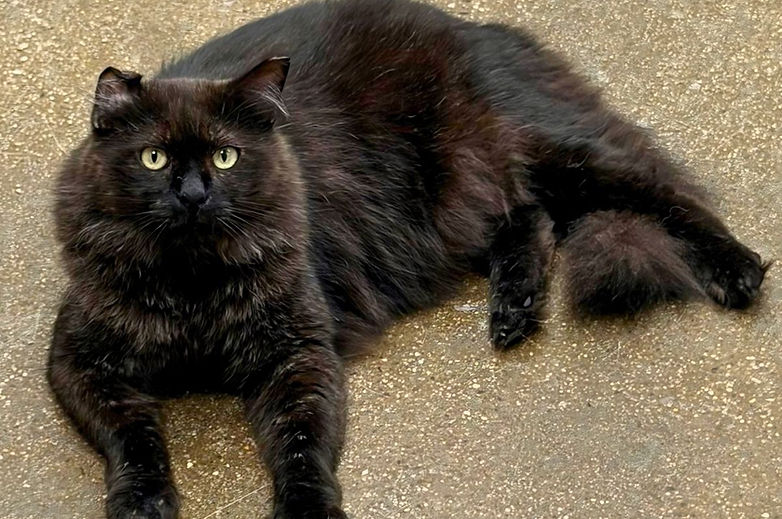
"Community cats" is the umbrella term for unowned cats living outdoors. It covers a wide range of animals with very different histories, temperaments and needs — and treating them all the same produces poor outcomes.
Understanding which kind of cat you are looking at is what allows you to help rather than accidentally make things worse.
Three categories, often confused
An owned cat has a home and may simply be outside. Many cats reported as strays are someone's pet within a few hundred feet of their own back door.
A stray is a cat who once lived with people and no longer does — lost, abandoned, or displaced. Strays are socialized to humans, which means with time and patience most can live indoors again.
A feral cat has not been socialized to people, usually because they had little or no human contact as a kitten. Feral cats are not wild animals in a biological sense, but functionally they behave like them. An adult feral cat placed in a living room is not being rescued; they are being confined in a way that causes real distress.
How to tell them apart
Behavior over several observations is far more reliable than one encounter. A frightened stray can look feral, and a bold feral cat waiting for food can look approachable.
- Strays often approach people, meow, make eye contact and may rub against legs or objects
- Feral cats keep distance, stay silent around people, and typically avoid eye contact
- Strays are frequently active in daylight; feral cats often shift toward dawn, dusk and night
- A stray may appear dishevelled, while an established feral cat often has a well-kept coat
- A straight-across tipped left ear means the cat has already been sterilized through a TNR program
Why cats end up living outdoors
The most common reason is simple arithmetic. An unsterilized cat outdoors can produce multiple litters, and those kittens reach breeding age quickly. What starts as two cats behind a barn becomes a group of twenty within a couple of years without anyone doing anything wrong in particular.
Other paths are individual: a cat slips out and is never found; a household moves and leaves a cat behind; someone stops being able to care for their animals. In rural areas, distance and limited services make each of these harder to reverse.
Humane population management
Removing cats from a location does not usually solve anything on its own. Where food and shelter remain available, other cats tend to move in — a pattern often described as the vacuum effect. The stable, humane approach targets reproduction instead.
Trap-Neuter-Return means humanely trapping cats, having a veterinarian sterilize, vaccinate and ear-tip them, and returning them to the location they know. Over time, the group stops growing, fighting and yowling associated with mating decrease, and the population declines naturally.
TNR is not universally appropriate. Kittens young enough to be socialized often have better options. Sick or injured cats need veterinary assessment. Locations that are genuinely unsafe — a site about to be developed, for example — call for different planning. These are decisions to make with qualified local animal-welfare professionals rather than alone.
Feeding responsibly
Feeding outdoor cats is a real commitment, and doing it thoughtfully matters.
- Feed at a set time rather than leaving food out continuously
- Remove uneaten food to avoid attracting wildlife and creating conflict with neighbors
- Provide fresh water year-round, including a plan for freezing temperatures
- Keep the feeding area tidy and out of the way
- Pair feeding with a sterilization plan — feeding without it grows the group
Shelter and weather
Simple insulated shelters make a substantial difference in cold weather. Effective designs are small — body heat has to warm the space — with a raised floor, straw rather than blankets for bedding, and an entrance turned away from prevailing wind.
Straw is the standard recommendation because it repels moisture. Hay, towels and blankets absorb water and can freeze, making a shelter colder than no shelter at all.
Being a good neighbor about it
Community cat work happens in shared spaces, and neighbors have legitimate concerns about gardens, noise and property. Explaining that sterilized cats spray less, yowl less and fight less usually goes further than an argument about whether the cats should be there.
Where there is genuine conflict, humane deterrents — motion-activated sprinklers, scent deterrents, physical barriers around garden beds — solve most problems without harming anyone.
Related reading
- A Beginner's Guide to TNR
TNR is the most widely used humane approach to outdoor cat populations. Here is what the process involves — and when it is not the right answer.
- How to Help a Stray Cat Safely
Helping a cat you find outdoors starts with a pause: is this cat actually lost, and is approaching safe for both of you?
- Responsible Pet Ownership
Responsible ownership is not a set of rules handed down by rescues. It is a small number of decisions that keep cats out of rescue in the first place.