
Cat Care
Kitten Care Basics
By The Freyas Cat Rescue team · · 9 min read
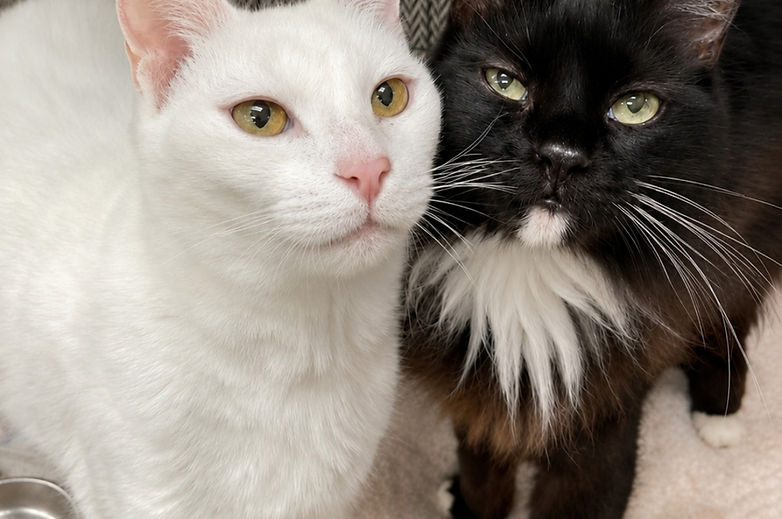
Kittens grow astonishingly fast, and the choices made in their first months shape the adult cats they become. They also have far less physiological reserve than adults — a kitten who stops eating or becomes chilled can deteriorate quickly.
This article covers general care for weaned kittens and flags the situations that require prompt veterinary involvement.
Very young kittens need professional guidance
Neonatal kittens — those under roughly four weeks, with eyes recently opened or still closed — require specialized care including bottle feeding around the clock, careful temperature regulation and stimulation for elimination. This is genuinely difficult work with a real risk of losing kittens if it is done incorrectly.
If you find kittens this young without a mother, contact a veterinarian or an experienced rescue immediately rather than improvising. Do not attempt to feed cow's milk, which causes digestive problems.
Feeding a weaned kitten
Kittens need food formulated for growth, which is higher in calories and protein than adult maintenance food. Feed multiple small meals a day rather than one or two large ones — small stomachs and rapid growth mean frequent fueling.
Fresh water should always be available. Many kittens eat a combination of wet and dry food; including wet food supports hydration, which matters for urinary health throughout life. Your veterinarian can advise on the right quantities and the timing of the transition to adult food.
Warmth and safe space
Young kittens regulate their own temperature poorly and chill easily. Provide a draft-free space with soft bedding and a warm resting area, being careful that any heat source cannot overheat or burn — kittens must always be able to move away from warmth.
Keep the space small and safe at first. Kittens investigate everything, fit through impossibly small gaps and climb before they can reliably get back down.
Litter training is mostly logistics
Most kittens learn quickly with minimal intervention. Provide a low-sided box they can climb into without effort, place it close to where they sleep and play, and use unscented, non-clumping litter for very young kittens who may try to eat it.
Place a kitten in the box after meals and naps. Never punish accidents; clean thoroughly with an enzymatic cleaner so the spot does not become a repeat target. Persistent problems after the basics are right deserve a veterinary check.
The socialization window
There is a period in early kittenhood — roughly two to nine weeks, with continuing benefit for some months afterward — when kittens form their basic expectations about the world. Positive, gentle experiences during this window produce confident adult cats.
Handle kittens gently and often. Expose them to ordinary household life at a manageable intensity: the vacuum running in the next room, different people, being touched on paws and ears, brief carrier trips. Keep every experience short and positive. A kitten who learns that new things are usually fine becomes a much easier adult cat to live with.
Play, and teaching bite inhibition
Kittens play hard, and play is how they learn hunting and social boundaries. Use wand toys and thrown toys rather than hands. A kitten taught that fingers are prey becomes an adult cat who bites hands, and that habit is much harder to undo later.
If a kitten bites during play, stop the game and walk away rather than pushing them off or scolding. Ending the fun is the clearest possible message.
Pairs of kittens generally learn these boundaries from each other and are often easier than a single kitten raised alone.
Veterinary care and spay/neuter
Kittens need an early veterinary examination, a vaccination series, and parasite prevention. Intestinal parasites are extremely common in kittens and need specific treatment rather than guesswork.
Sterilization prevents unplanned litters and carries health and behavior benefits. Timing recommendations vary; your veterinarian will advise what is appropriate for your kitten.
Warning signs that need prompt attention
Kittens decline faster than adult cats. Contact a veterinarian promptly for any of the following.
- Refusing food, or noticeably reduced eating
- Lethargy, weakness or being cold to the touch
- Persistent diarrhea or vomiting
- Difficulty breathing, or persistent sneezing with discharge
- Eyes that are stuck shut, swollen or discharging
- A distended or painful abdomen
- Any sudden change from normal energetic behavior
Related reading
- Why Foster Homes Matter in Cat Rescue
Foster homes are not a nice extra in cat rescue. They are the ceiling on how many cats an organization can help at all.
- How to Help a Stray Cat Safely
Helping a cat you find outdoors starts with a pause: is this cat actually lost, and is approaching safe for both of you?
- Responsible Pet Ownership
Responsible ownership is not a set of rules handed down by rescues. It is a small number of decisions that keep cats out of rescue in the first place.