· 7 min read
How Volunteers Help Animal Rescues
Rescue is mostly logistics. Behind every adoption is a chain of unglamorous tasks that volunteers make possible.
Read MoreMcKee, Kentucky · Cat rescue, adoption, foster care and community education
606-225-5553
McKee, Kentucky · Cat rescue & adoption
Freyas Cat Rescue exists for cats and kittens who need someone to step in. Some arrive because a family could no longer care for them. Some are found outdoors with nowhere safe to go. Some are very young and need round-the-clock attention before they are ready for anything else. Whatever brings a cat to us, the work is the same: safety first, then care, then a thoughtful path toward a permanent home.
That work happens through foster homes, licensed veterinary care, careful adoption matching, and steady community education about spay/neuter, indoor safety and responsible pet ownership. We are a small organization, so what we can take on depends on foster space, volunteers and resources at any given moment — and we would rather be honest about that than overpromise. If you want to help cats in and around McKee, there is a place for you here.
Serving McKee, Kentucky · Website information updated
Learn more about our workWho we are
Freyas Cat Rescue is an animal-welfare organization based in McKee, Kentucky. Our focus is narrow on purpose: cats and kittens, and the people who care about them. That means the cats themselves — their safety, health and placement — and it also means adopters, foster families, volunteers and neighbors who need reliable information about caring for the cats already in their lives.
Rural rescue looks different from rescue in a large city. Distances are longer, services are further apart, and the number of cats needing help can outpace the number of homes available at any given time. There is rarely a single agency that handles everything. In practice, outcomes depend on a network of individuals who are willing to open a spare room, drive a cat to an appointment, share accurate information with a neighbor, or simply wait patiently while a frightened cat learns that people can be safe.
We do not present ourselves as an emergency service, an animal-control agency, or a veterinary provider. Cats in our care receive veterinary attention from licensed professionals; the rescue itself provides housing, transport, daily care, socialization and placement. Being clear about that boundary matters, because people making urgent decisions about an animal deserve accurate expectations rather than reassuring generalities.
Every rescue faces the same constraint: there is always more need than capacity. Choosing responsibly means asking whether we can genuinely provide for a cat through the full length of its stay — not just today, but through recovery, socialization and however long it takes to find the right home. Taking in more cats than can be properly cared for helps no one, least of all the cats already waiting.
We also believe education is rescue work. A family who learns how to introduce a new cat properly is less likely to return that cat. A neighbor who understands spay/neuter may prevent an entire litter from being born outdoors. A first-time owner who recognizes early signs of illness may get their cat treated while treatment is still simple. Prevention rarely makes a dramatic story, but it changes outcomes.
To help cats and kittens in need through rescue, compassionate care, foster homes and responsible adoption — and to support the community with honest education about cat welfare, spay/neuter, indoor safety and responsible pet ownership. We are committed to humane treatment of every cat we encounter, and to placements built on realistic expectations rather than pressure.
Read our full missionHow we help
Rescue is not one activity. It is a chain of small, unglamorous tasks that together move a cat from uncertainty to a settled home.
Cats looking for homes
Cats move through foster care and adoption on different schedules, so current availability changes from week to week. We confirm availability directly before arranging a meeting, which means you receive accurate information about the cats who are ready for adoption now.
If you are thinking about adopting, send us an inquiry describing your household: who lives there, whether you have other pets, how much time a cat would spend alone, and what kind of personality you are hoping for. That gives us something real to work with — and if we do not currently have a good match, we will say so rather than push a cat into a home that is not right for either of you.
Send an adoption inquiry and we will reply with current options, each cat's known history, temperament and care needs, and the practical next steps for meeting a potential match.
Foster & volunteer
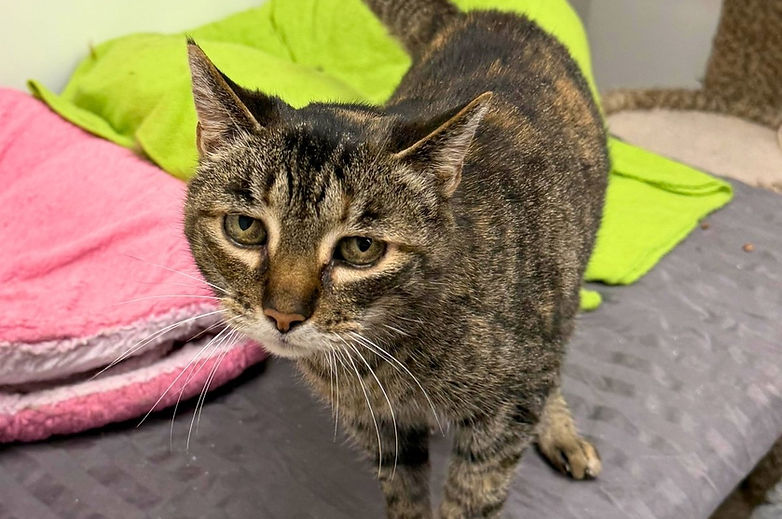
Foster homes are the practical limit on how many cats a rescue can help. A foster family provides a temporary safe space — a spare room is usually enough — along with food, fresh water, a clean litter box and daily gentle attention. Fosters also become the person who knows a cat best: whether she hides from vacuum noise, whether he is patient with children, whether she prefers laps or quiet company from across the room. That knowledge is what makes a good adoption match possible.
Fostering has a defined end point, and it is genuinely temporary. You are not signing up for a lifetime commitment; you are giving a cat a place to be while the rest of the process happens.
Not everyone can bring a cat home, and that is fine — there is plenty of work that happens away from the cats. Volunteers help with transport to appointments, sorting and delivering supplies, taking photographs, writing adoption descriptions, answering messages, setting up at community events and sharing accurate information online. Available roles depend on what the organization needs at a given time.
Support the rescue
Rescue runs on ordinary, recurring costs. Food and litter are used constantly. Carriers, bedding, cleaning supplies, scratching surfaces and toys wear out and get replaced. Cats travel to appointments, and travel costs fuel and time. Foster families need supplies so that opening their home does not become a financial burden. Educational materials need printing. None of it is dramatic, and all of it is what makes the work possible.
We do not publish claims about what percentage of a gift goes to any particular category, and we will not tell you that a specific dollar amount covers a specific medical procedure. Those figures are only meaningful when they are verified and current. What we can say plainly is that community support helps sustain legitimate rescue-related activities: food, litter, supplies, transportation, foster support, adoption preparation and educational materials.
Support does not have to be financial. Supplies, transport help, an available foster room, or simply sharing accurate information all reduce pressure on the same limited resources.
Cat care education
Most cat problems are solvable with the right information early. These are the basics we return to most often.
Community cats
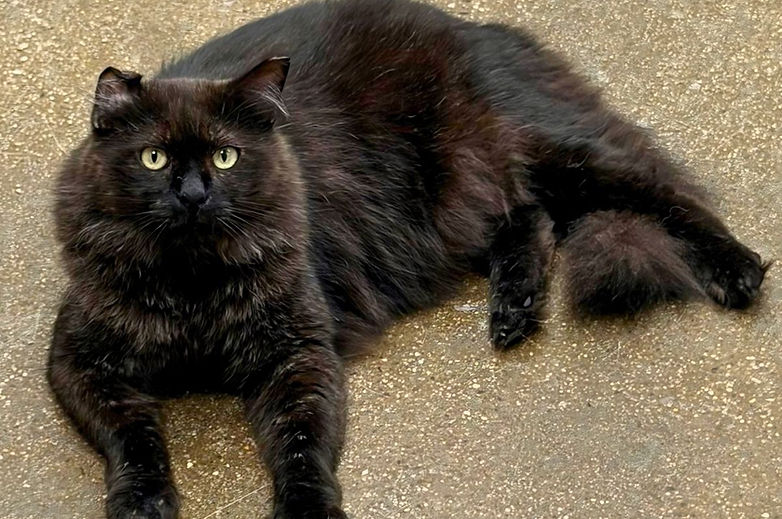
"Community cats" describes unowned cats living outdoors. Some are friendly strays who once had homes; others are feral and have never been socialized to people. The difference matters, because it changes what a good outcome looks like. A friendly stray may do well indoors. A truly feral adult cat is usually far more stressed by confinement than by continuing to live in the territory it knows.
Humane population management centers on spay/neuter. Trap-Neuter-Return — trapping cats, having them sterilized and ear-tipped by a veterinarian, then returning them to their established location — is a widely used approach for stable outdoor colonies. It is not automatically the right answer for every cat or every situation: young kittens, sick or injured cats, unsafe locations and friendly strays all call for different decisions, ideally made with qualified local animal-welfare professionals.
If you feed outdoor cats, feed on a schedule rather than leaving food out continuously, provide fresh water, offer insulated shelter in cold weather, and watch for cats who appear injured or unwell.
Latest articles
Original, practical articles written to be useful whether or not you ever adopt from us.
· 7 min read
Rescue is mostly logistics. Behind every adoption is a chain of unglamorous tasks that volunteers make possible.
Read More· 8 min read
Responsible ownership is not a set of rules handed down by rescues. It is a small number of decisions that keep cats out of rescue in the first place.
Read More· 8 min read
Indoor cats are safer, and that safety comes with an obligation: everything interesting in their world has to be provided by you.
Read MoreWhy rescue matters
People sometimes assume cats needing rescue were mistreated. Often the truth is more ordinary. A person enters long-term care and no family member can take the cat. A household loses housing and the new place does not allow pets. An unsterilized cat has a litter that nobody planned for, and then those kittens grow up and have litters of their own. A cat slips outside, is never found by its family, and becomes one more cat surviving on its own.
Cats are also uniquely easy to overlook. They are quiet, they do not require walks, and a cat living behind a shed can go unnoticed for years. That invisibility is part of why unowned cat populations grow: nothing forces the issue until there are suddenly kittens everywhere.
Rescue interrupts that cycle in two ways. The immediate way is direct: a specific cat gets safety, care and a home. The slower and arguably more important way is preventive — sterilization, accurate information, and helping existing owners keep their cats healthy and in their homes. A cat who never needs rescuing is the best possible outcome.
This is also why we place emphasis on honest matching. An adoption that fails is hard on the family and much harder on the cat, who experiences another upheaval. Taking time to talk through energy levels, other pets, children, budget and daily routine produces placements that hold.
Newsletter
Occasional updates on adoption, fostering, volunteer needs and new cat-care articles. We send email only to people who sign up, and we do not sell, rent or share subscriber email addresses with third parties. You can unsubscribe at any time.
FAQ
Common questions about adopting, fostering, volunteering and getting help with a cat.
Adopt, foster, volunteer or give — every kind of help makes more rescue work possible.