
Fostering
Why Foster Homes Matter in Cat Rescue
By The Freyas Cat Rescue team · · 8 min read
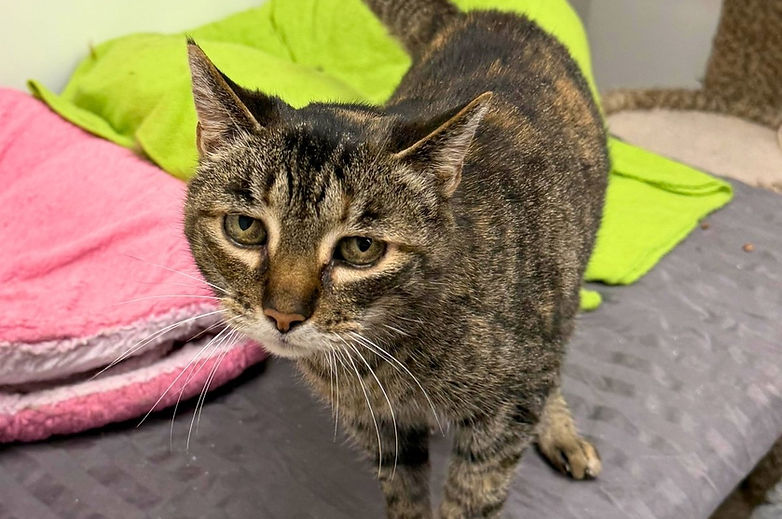
When people ask what a rescue needs most, the honest answer is usually not money. It is foster homes. Every cat in care occupies a space, and when the spaces are full, the next cat cannot be helped.
This article explains what fostering actually involves and why a spare room changes outcomes more than almost anything else.
Capacity is measured in rooms, not intentions
A rescue's capacity is a hard number. If every foster home is full, an organization that wants to help cannot. There is no way to talk around that constraint, and it is the reason we cannot always say yes when someone contacts us about a cat.
Each additional foster home directly raises the number of cats that can be helped in a year. It is one of the few contributions where the effect is immediate and unambiguous.
Homes tell you things a cage never will
A cat in an unfamiliar, noisy environment shows you a stressed version of itself. Many cats in that setting appear withdrawn, defensive or flat — behavior that has more to do with the environment than with the animal.
In a home, a different cat emerges over days and weeks. You learn that she supervises cooking from the counter, that he sleeps against the back of your knees, that vacuum noise sends her under the bed, that he adores children but resents other cats. That knowledge is exactly what an adopter needs, and it is what makes placements stick.
What a foster home actually provides
The practical requirements are modest. A separate room is usually the main one, particularly if you have your own pets. Beyond that, it is daily care and observation.
- A safe, separate space where the cat can settle
- Food, fresh water and a clean litter box
- Daily gentle interaction and, where appropriate, play
- Observation: appetite, litter box use, energy, any signs of illness
- Transport to appointments when needed, or coordination with a volunteer driver
- Communication with the rescue about progress and concerns
Different cats need different fosters
Not every foster placement looks the same, and matching the situation to the household matters as much as it does in adoption.
Adult cats waiting for adoption are often the most straightforward: they need routine, quiet and company. Kittens require more frequent feeding, more mess management and considerable play. Shy or under-socialized cats need patience above all — sitting in the room doing nothing in particular is legitimate progress. Mother cats with litters need space and to be left largely alone. Cats recovering from stressful circumstances need calm and consistency.
What we can currently accept depends on the situation at the time. When you contact us, we will be straightforward about what would actually be helpful.
The goodbye question
Everyone asks it. Won't it be too hard to give them up?
It is genuinely hard sometimes. It is also the point. Fostering works because the placement ends and the space opens for the next cat. Many fosters describe the handover as bittersweet rather than devastating — you are not losing a cat, you are completing a job that only worked because you did it.
Some fosters do adopt the cat they were caring for. That happens, and nobody minds. Most, though, go on to the next one.
If you cannot foster right now
Supporting existing fosters is nearly as valuable. Supplies, transport help, a few hours of cat-sitting so a foster can travel, or photography that makes a cat's profile compelling all reduce the load on the people holding the system together.
And if your circumstances change — a room frees up, a schedule opens — the door stays open.
Related reading
- How Volunteers Help Animal Rescues
Rescue is mostly logistics. Behind every adoption is a chain of unglamorous tasks that volunteers make possible.
- Kitten Care Basics
Kittens are not small cats. They have different nutritional needs, a narrow socialization window and far less margin for error when something goes wrong.
- What New Cat Adopters Should Know
Adopting a cat is a decade-or-more commitment. These are the expectations we wish every first-time adopter had before day one.